

This past summer, Josh and I found ourselves exploring Lancaster Pennsylvania, just a few miles from Philadelphia. As soon as we arrived in Lancaster, we were charmed by the sight of cozy brick buildings, flower-adorned porches, and neighbors chatting on street corners. It was a town that left us feeling a kind of warmth and hospitality rarely encountered elsewhere.
Lancaster is one of the few officially designated “Certified Welcoming” cities in the United States, meaning it has actively cultivated policies that reflect a deep commitment to immigrant inclusion. The city has implemented initiatives such as language access programs, cultural competency training for city staff, and community events that celebrate diversity, ensuring that everyone feels a sense of belonging.
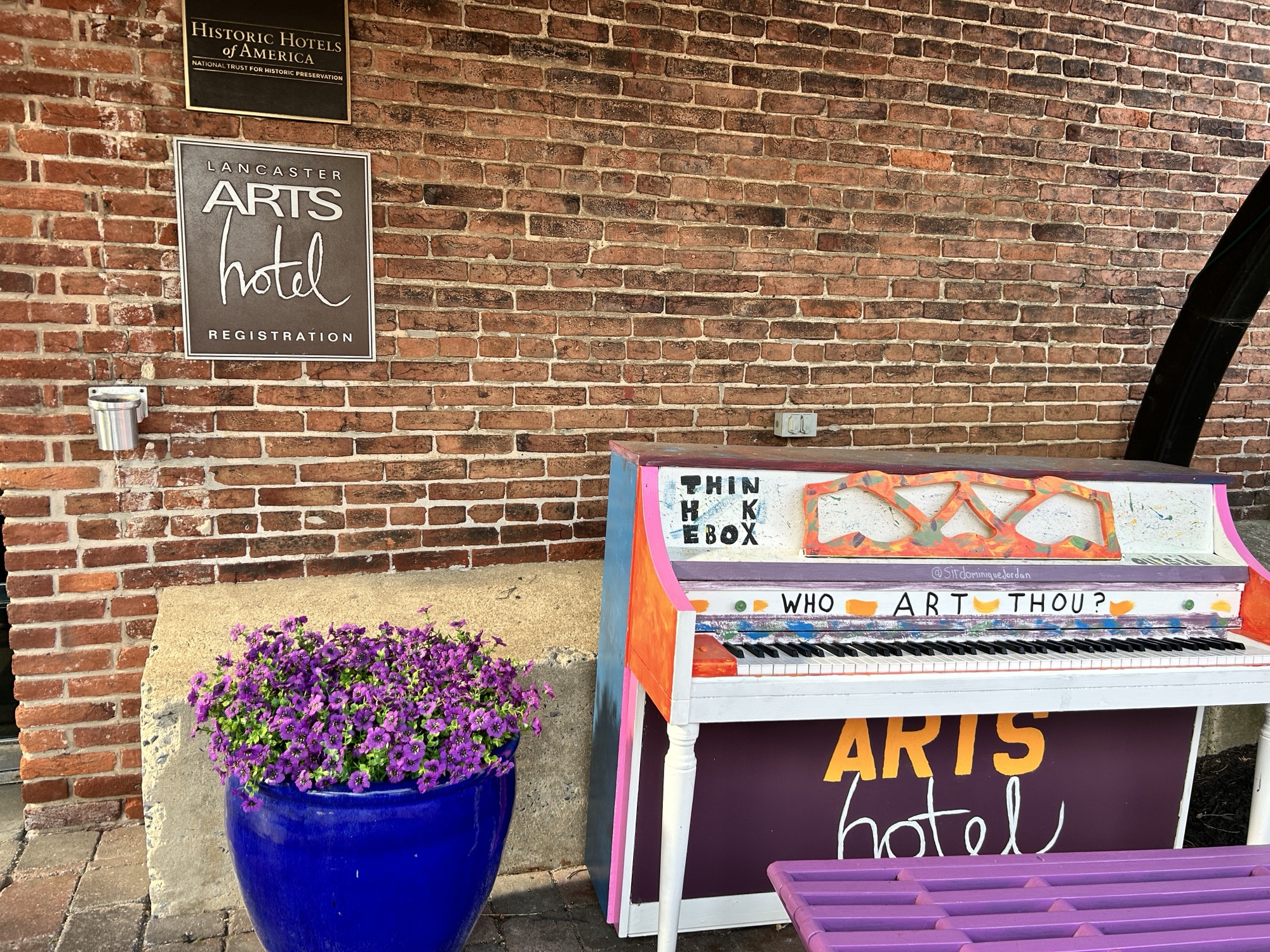
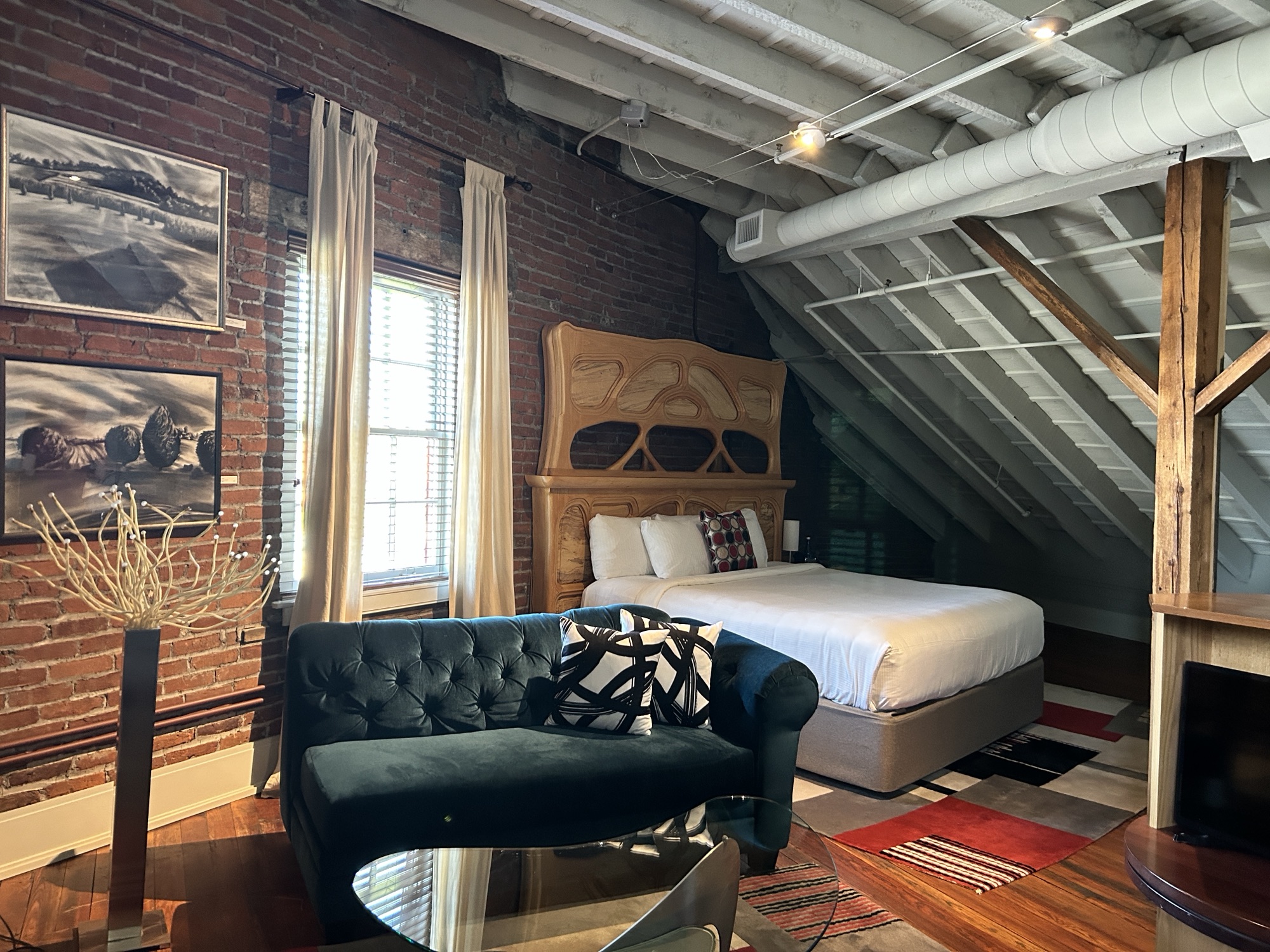
Our stay at the Lancaster Arts Hotel was no exception to this vibe. One memorable moment was when we were greeted by the hotel manager, who shared stories about the building’s transformation from a tobacco warehouse to an art-inspired retreat, making us feel like we were stepping into a piece of living history. The hotel itself, rich with history, offered much more than a bed for the night. It was an experience—a fusion of art, history, and modern comfort, yet, the hotel managed to retain the warmth of its past. The original brick walls and wooden floors told stories of their own, while the locally crafted furniture—including four-poster beds made by John Holland—brought an authentic sense of Lancaster craftsmanship. Every hallway was filled with original artwork, and it felt as though each piece had been carefully chosen to evoke creativity and reflection.
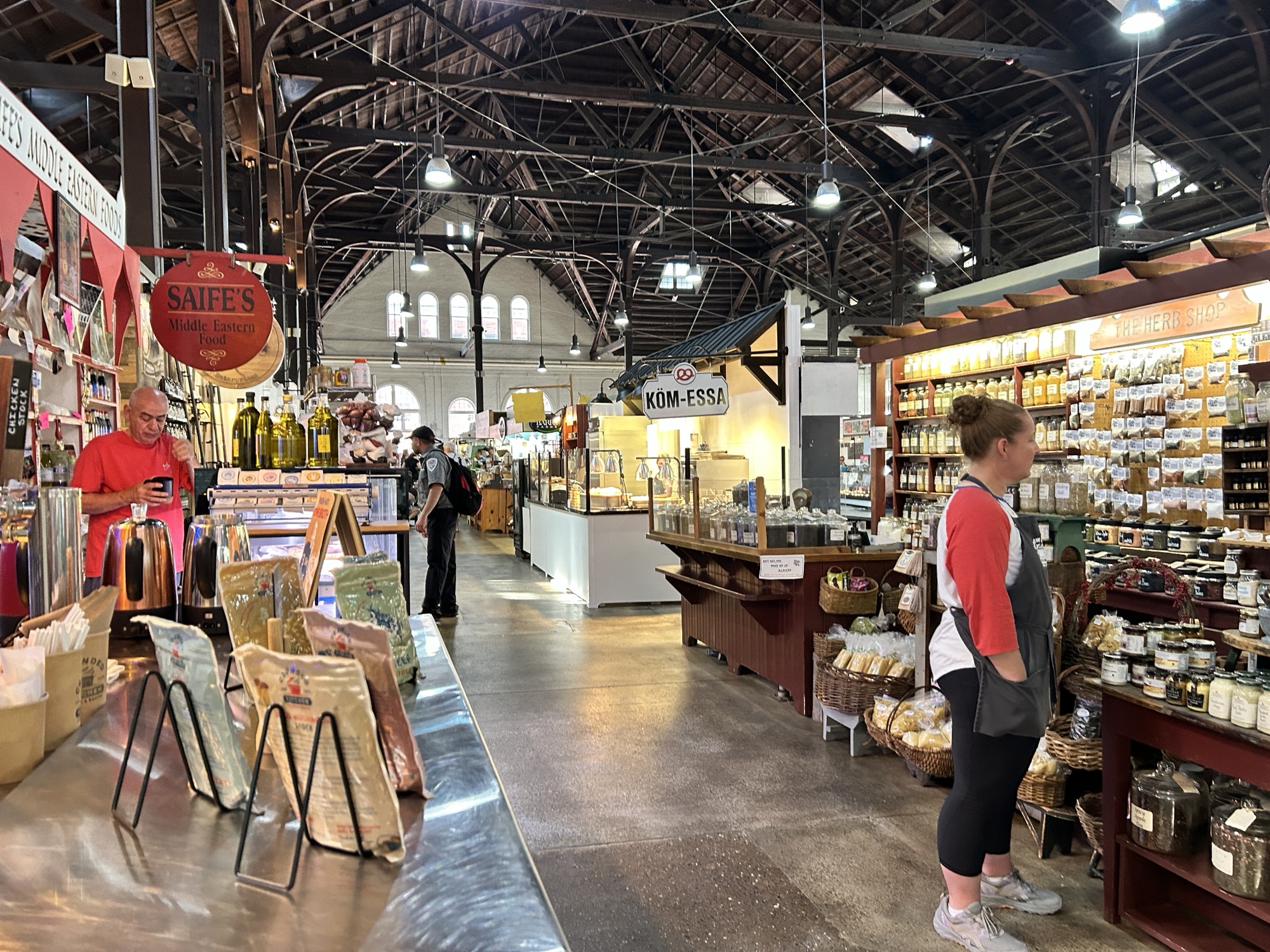
The real heart of Lancaster, however, revealed itself in its vibrant culture. One of our first stops was the Lancaster Central Market, America’s oldest continuously operated public market, dating all the way back to 1730. One vendor that stood out to us was Kauffman’s Fruit Farm, where we sampled their freshly pressed apple cider—it was crisp, refreshing, and the perfect taste of Lancaster County’s rich agricultural heritage.
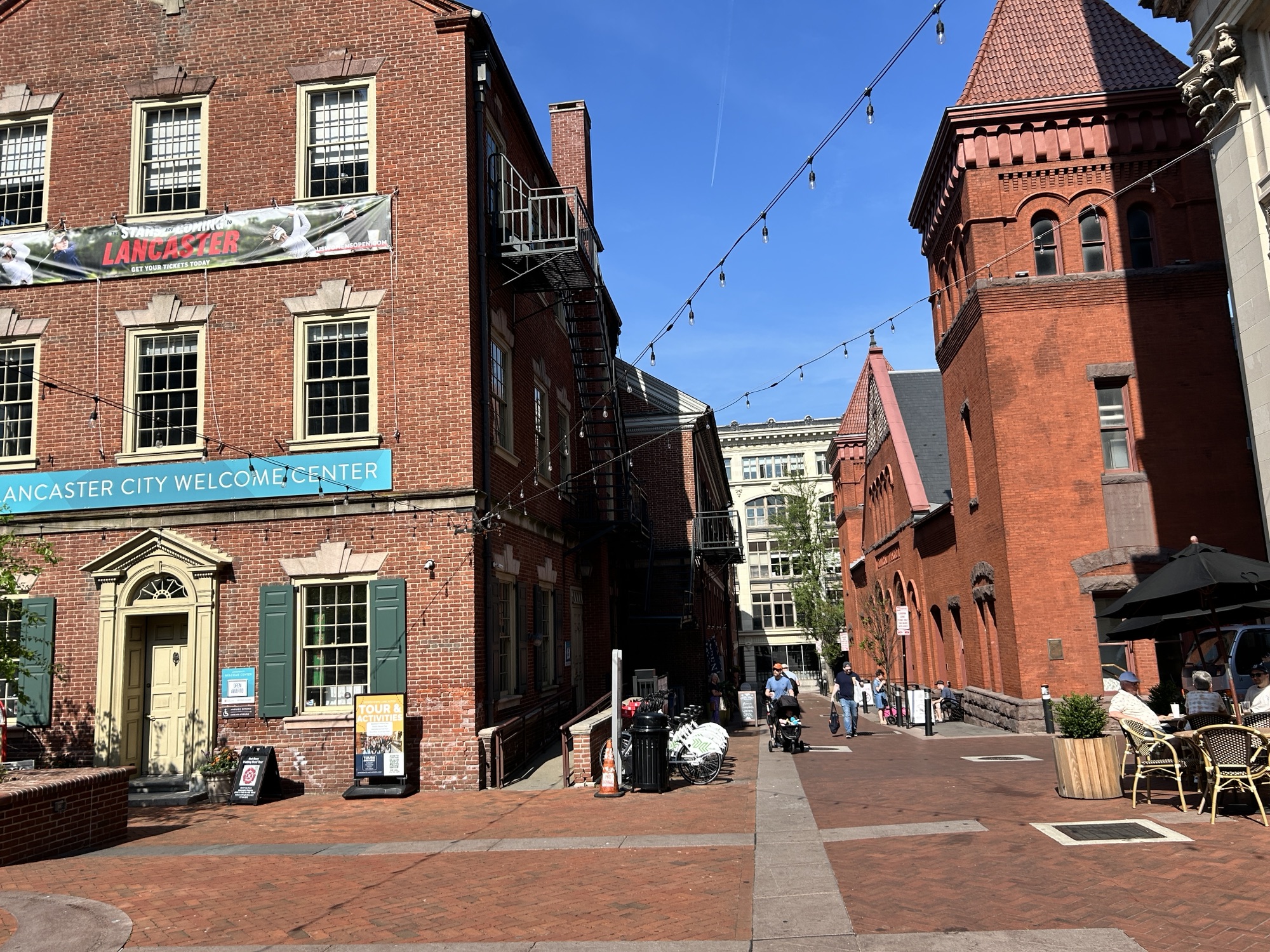
To this day, it remains the lively soul of the town, blending old-world charm with fresh offerings. We wandered among the 65 vendors, each stall filled with fresh produce, local meats, and handmade goodies. The historic Market House, built in 1889, was bustling with activity. It was easy to lose ourselves in the aromas, the bright colours of local produce, and the sense of history that seemed to permeate every corner.
For art lovers, Lancaster has a scene that’s as colorful as its history. Gallery Row, specifically the 100 block of N. Prince St., had us captivated for hours as we toured a handful of the city’s art galleries. One gallery that particularly stood out to us was the Freiman Stoltzfus gallery, where we were mesmerized by his paintings that seemed to bring both romance and whimsy to Lancaster’s streets. The creativity didn’t stop there, either—the funky 300 block of N. Queen St. offered unique shops like Building Character, a queer-owned space filled with eclectic finds that exemplify Lancaster’s embracing spirit. There was something surprisingly hip about Lancaster, which balanced its rich heritage with a youthful energy.
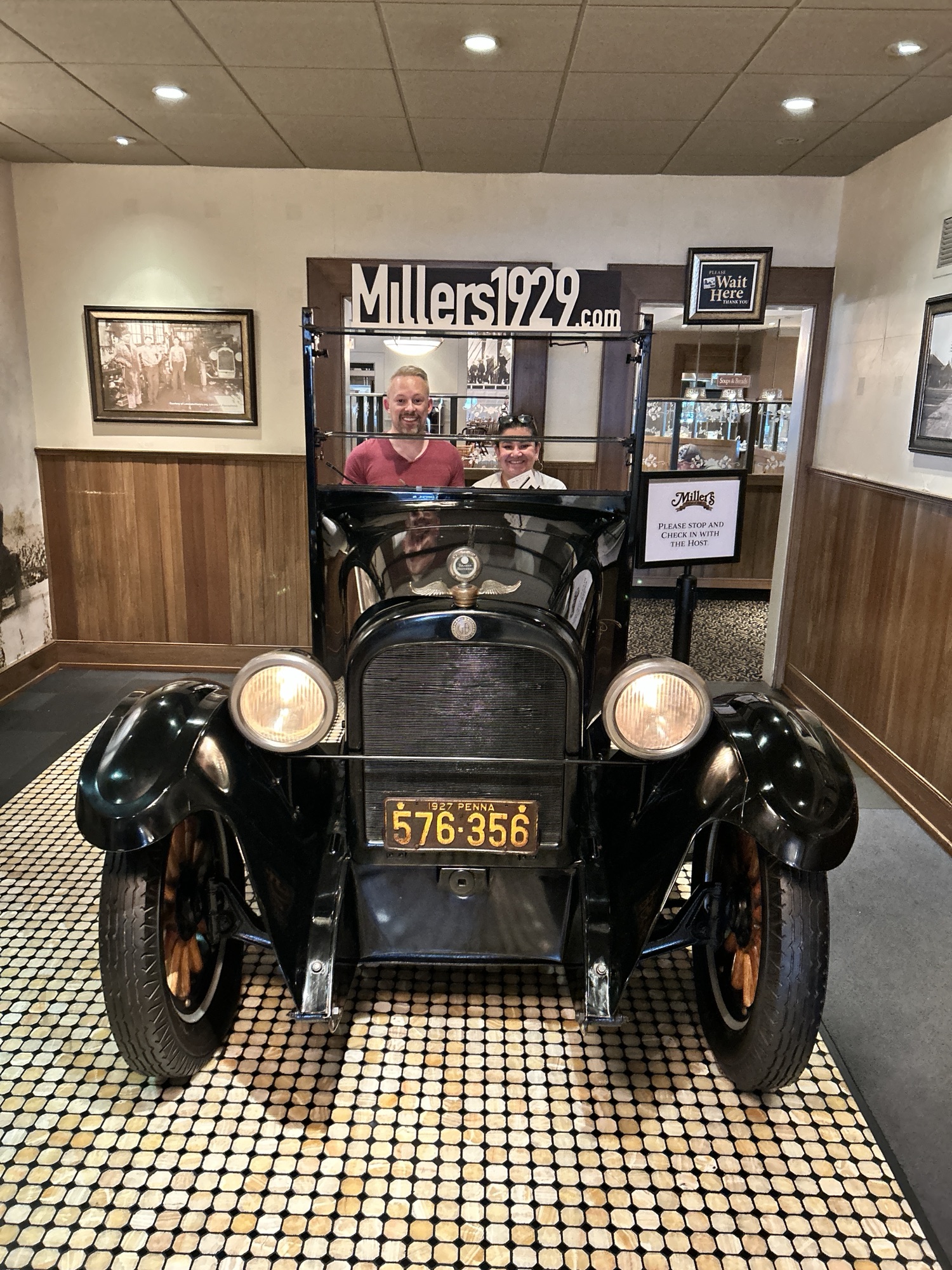
Of course, we couldn’t visit without indulging in some Pennsylvania Dutch cuisine. We enjoyed a hearty lunch at Miller’s Smorgasbord, which, at 95 years old, is the oldest smorgasbord in the county. With its abundant buffet filled with classic dishes, we experienced a true taste of the area’s culinary roots—comfort food made with heart.

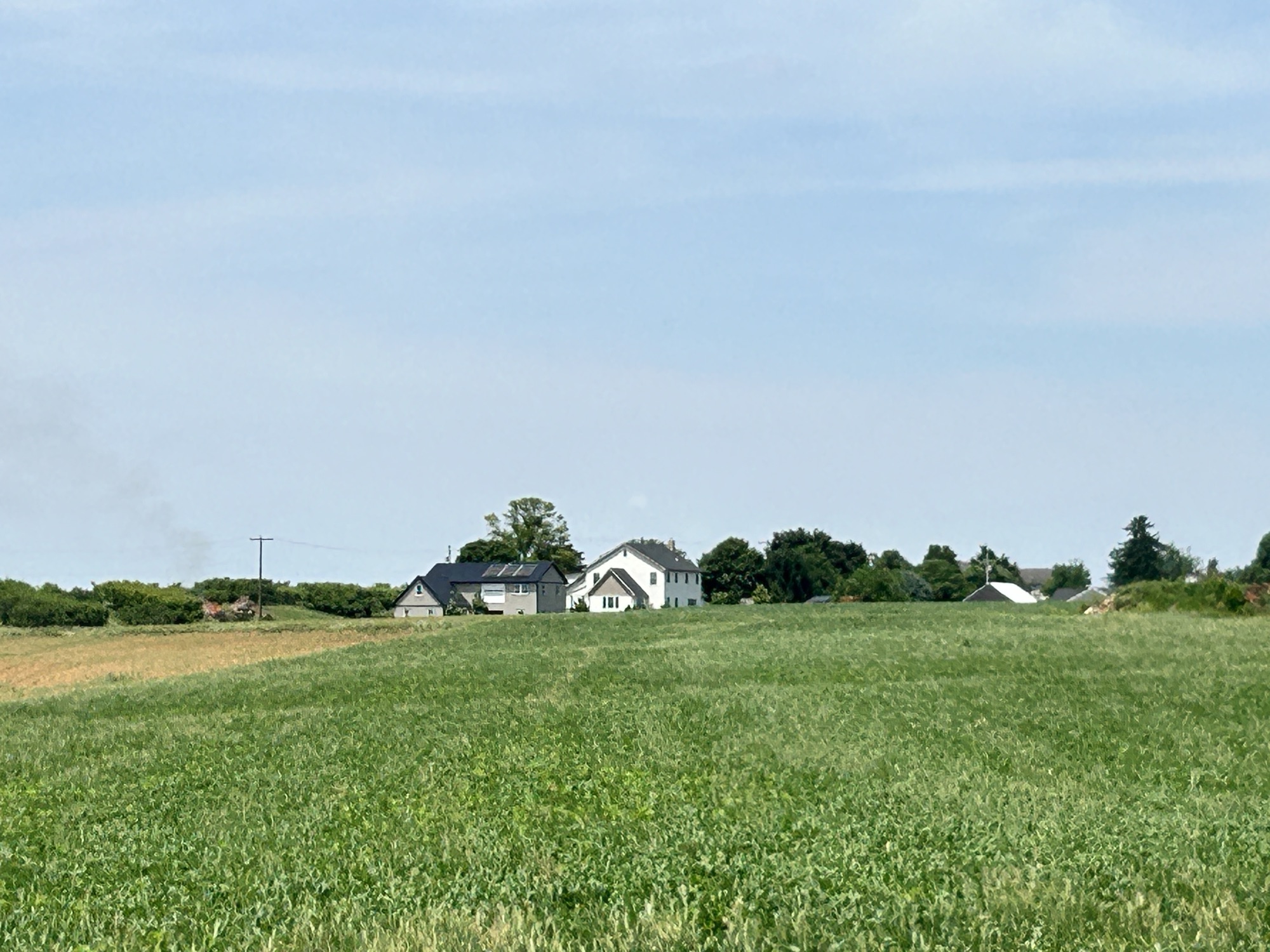
No trip to Lancaster would be complete without exploring the surrounding countryside, and we did just that with a buggy ride through the Amish farmlands. Aaron & Jessica’s Buggy Rides gave us an intimate look at non-commercial, working Amish farms. For an hour, we traveled through covered bridges, rode alongside horses plowing fields, and even got the chance to visit inside an Amish house and barn. We saw goats being fed, and it was heartwarming to see the genuine care and simplicity with which they lived their lives. There were no cars, no electricity—just the serene sounds of nature and the clip-clop of horse hooves on dirt roads. It was a humbling and beautiful reminder of the simplicity and dedication of Amish life.
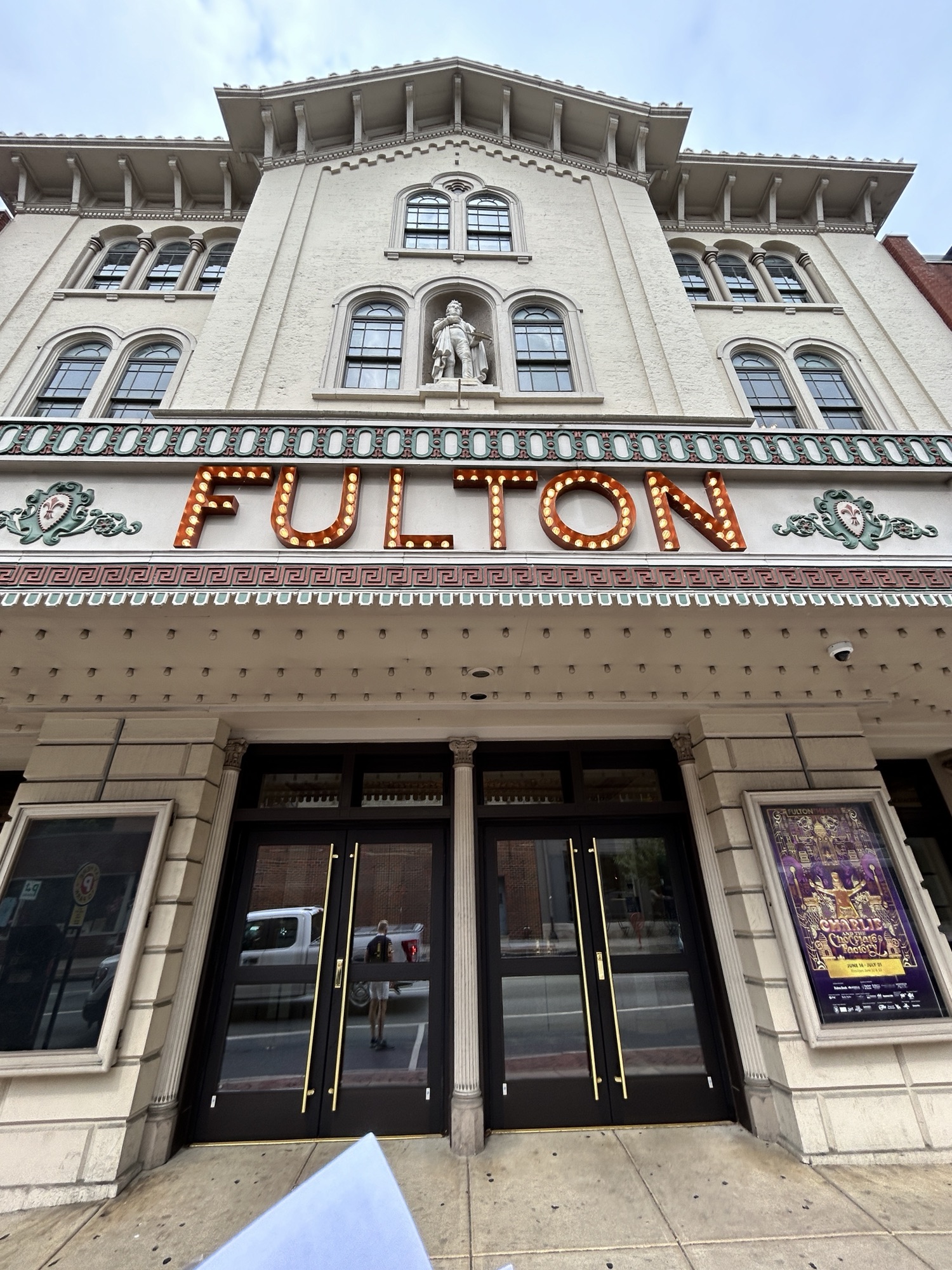
One of the highlights of our trip was visiting the Fulton Theatre, a historic gem that dates back to 1852. Known as one of the oldest continuously operating theaters in the United States, the Fulton is said to be haunted by several spirits, including the ghost of Sarah Bernhardt, a famous actress who performed there in the late 1800s. Whether or not you believe in ghosts, the Fulton Theatre is a must-see for its stunning performances and the intriguing stories that linger in its storied past.
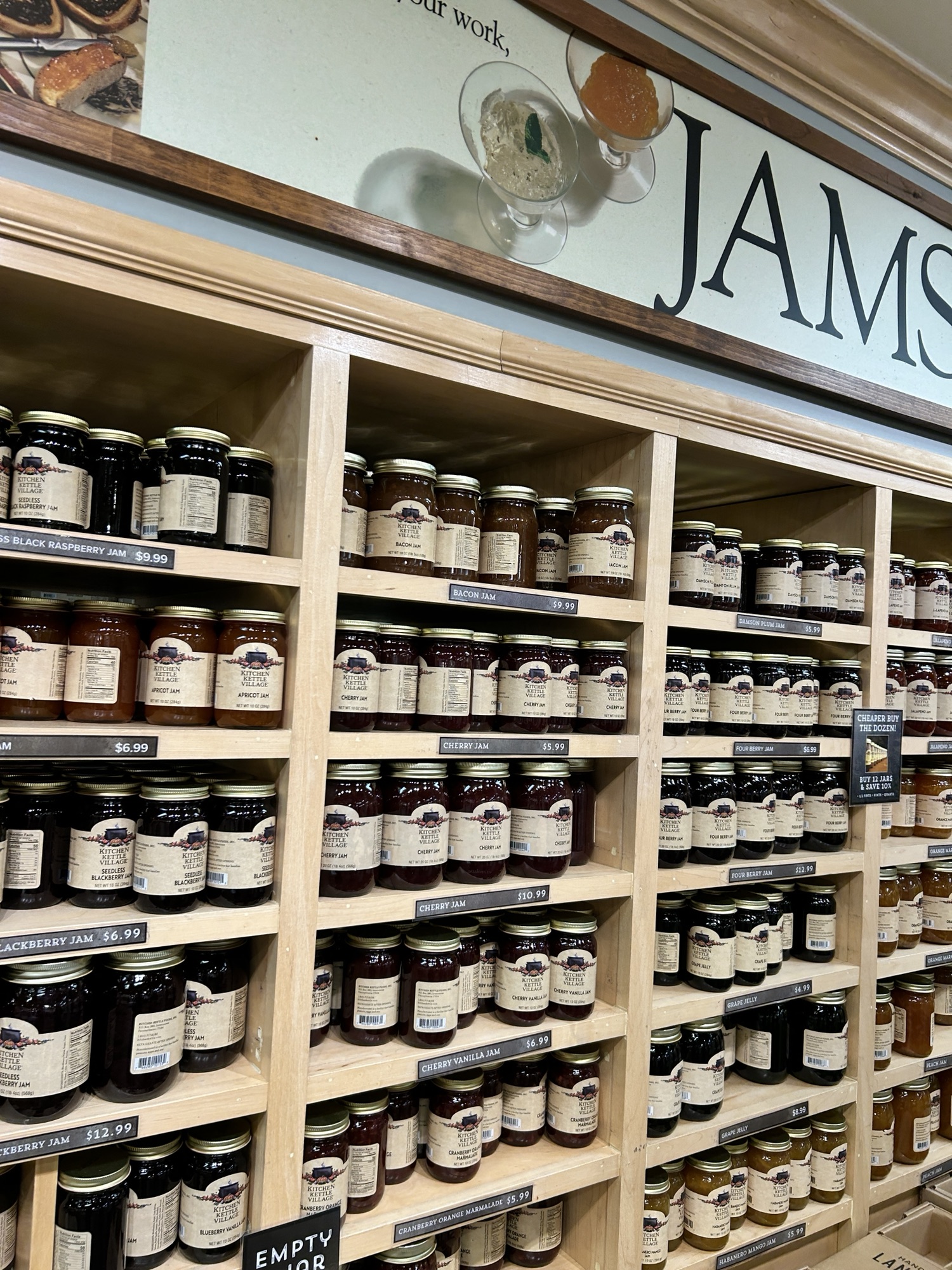
Before leaving, we stopped by Kitchen Kettle Village, known for its iconic Amish canning kitchen. Though Kitchen Kettle boasts 42 shops, the heart of the place is its family-run kitchen, where local women make jams, jellies, and other delicious treats right before your eyes. We watched as they stirred pots of vibrant preserves, baked pies, and filled jars with relishes and salsas. Of course, we couldn’t leave without taking home a few jars of their famous apple butter.
Lancaster is more than just a weekend getaway; it’s an experience that opens your eyes to the simple joys of community, creativity, and culture. If you’re looking for a destination that will leave you inspired and feeling truly welcomed, Lancaster is the place to be. Come see for yourself why this town continues to capture the hearts of everyone who visits. It’s a place where history is celebrated, art is cherished, and everyone—no matter where they come from—is made to feel at home.
 Mary in Vancity
Leave a comment