
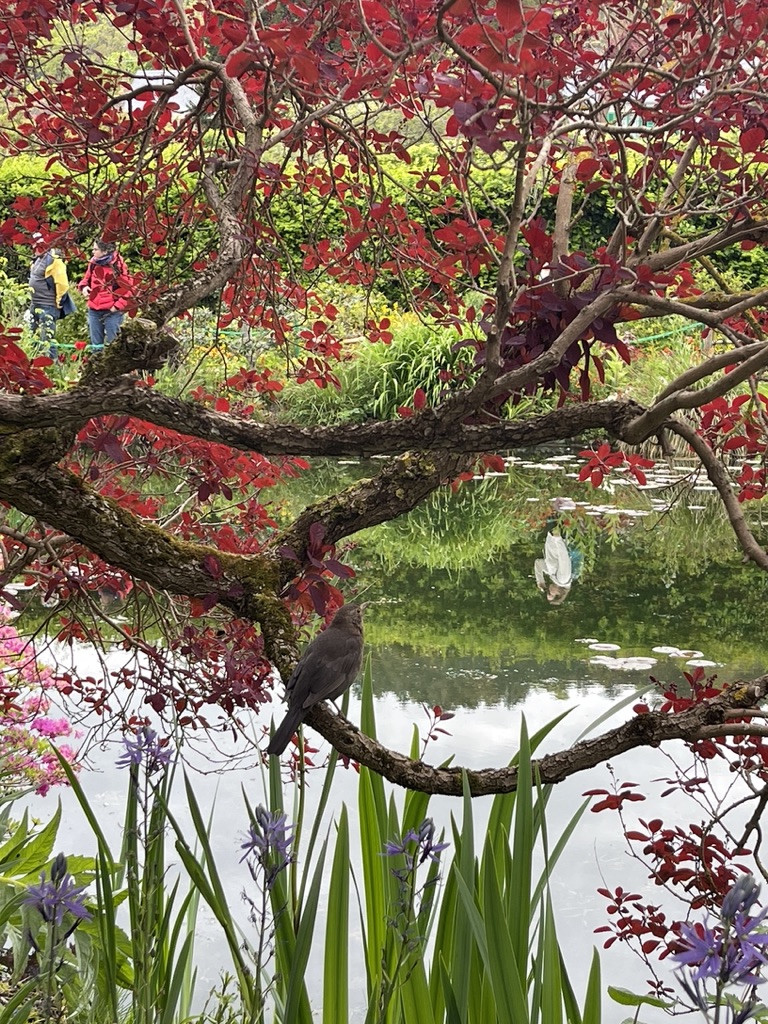
Hidden in the picturesque village of Giverny, France, Monet’s gardens are more than just a place to visit—they’re a glimpse into the mind of one of history’s greatest artists. Every inch of this peaceful, colorful space reflects Claude Monet’s love for nature and gardening. Walking through the gardens feels like stepping into one of his paintings, where every flower, pond, and pathway seems to come alive like a brush stroke.
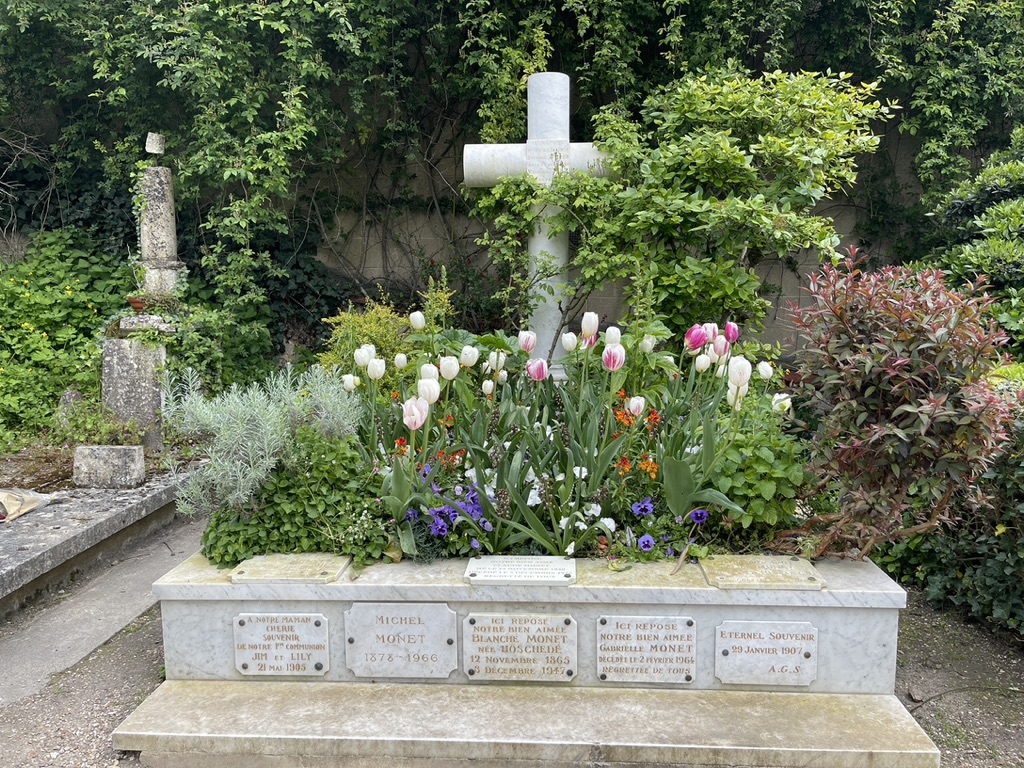
A Garden Shaped by Art
Claude Monet settled in Giverny in 1883, and for over 40 years, he transformed the grounds around his house into a living canvas. The gardens are divided into two distinct sections: the Clos Normand, a colorful flower garden near the house, and the Japanese-inspired Water Garden, famous for its lily ponds and arched green bridge.
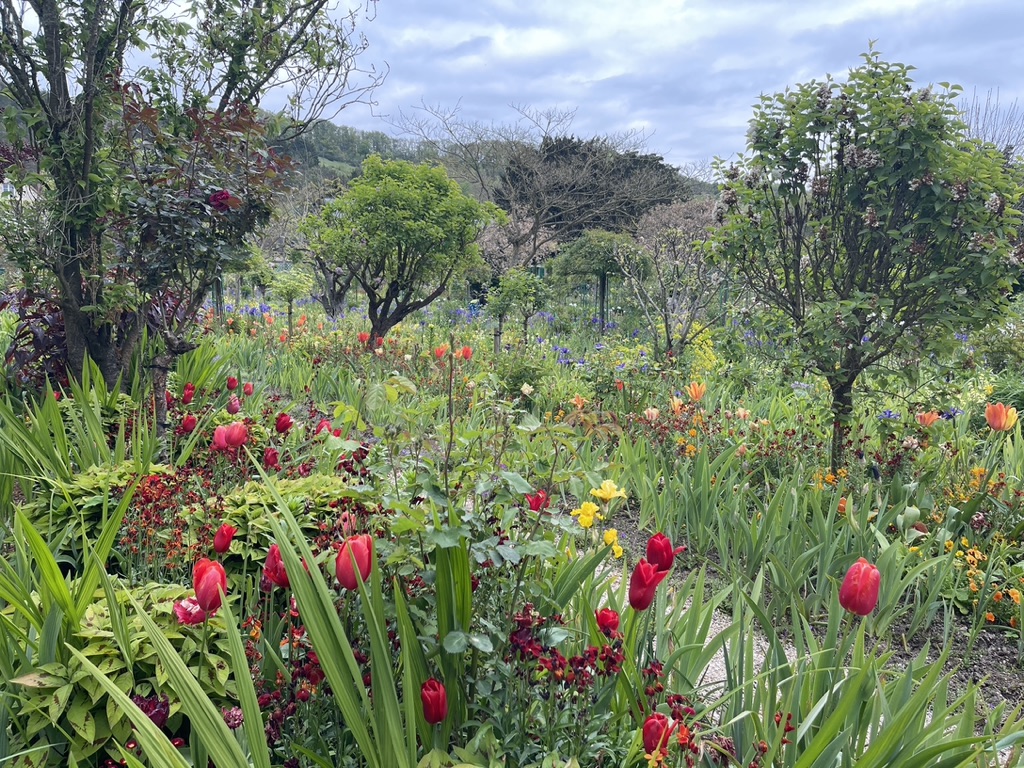
The Clos Normand is a riot of color and texture, with pathways bordered by roses, tulips, and irises. Monet designed this area with a painter’s eye, using flowers to create layers of light and shadow. Walking through the Clos Normand feels like entering an Impressionist painting, where colors blend and play with the natural light.
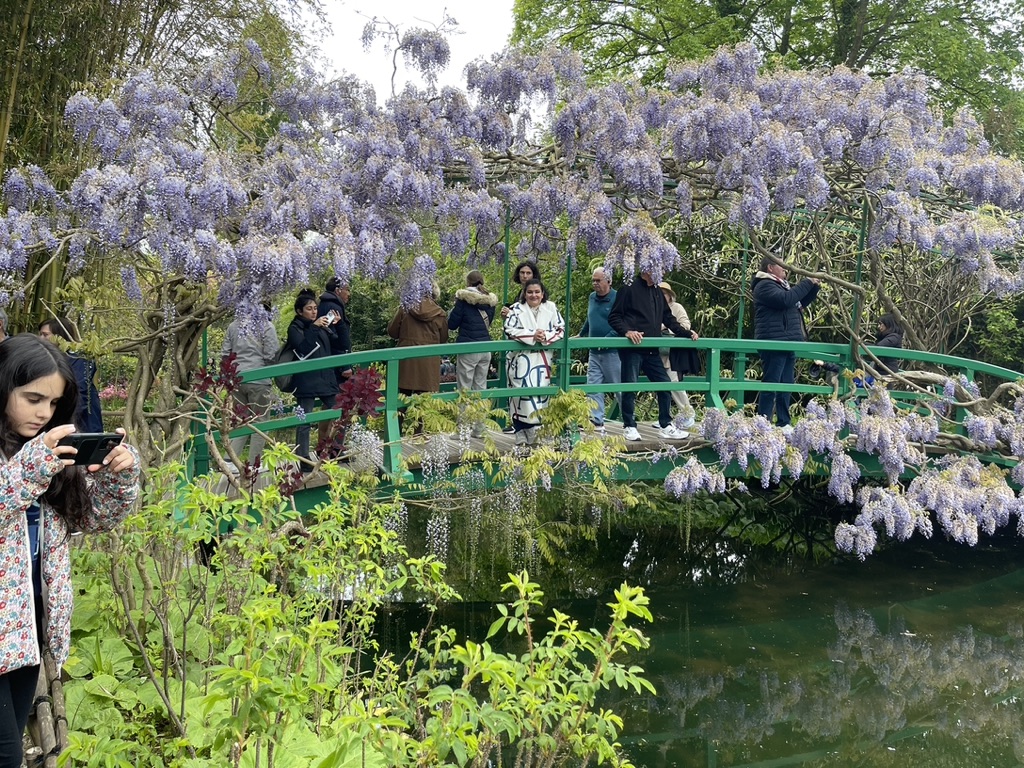
The Water Garden: Inspiration Realized
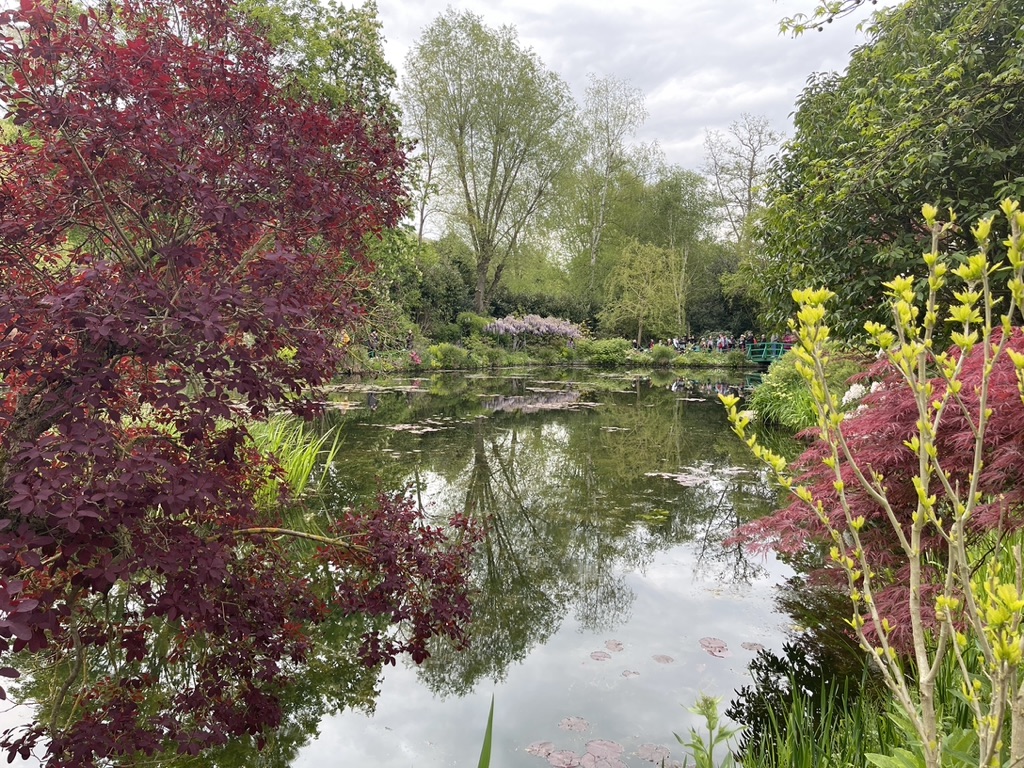
The Water Garden is perhaps the most iconic part of Monet’s estate. With its weeping willows, reflective ponds, and water lilies, this area directly inspired many of Monet’s most famous works, including his Water Lilies series. The Japanese bridge, draped in wisteria, is instantly recognizable and feels like a portal to the artist’s vision.
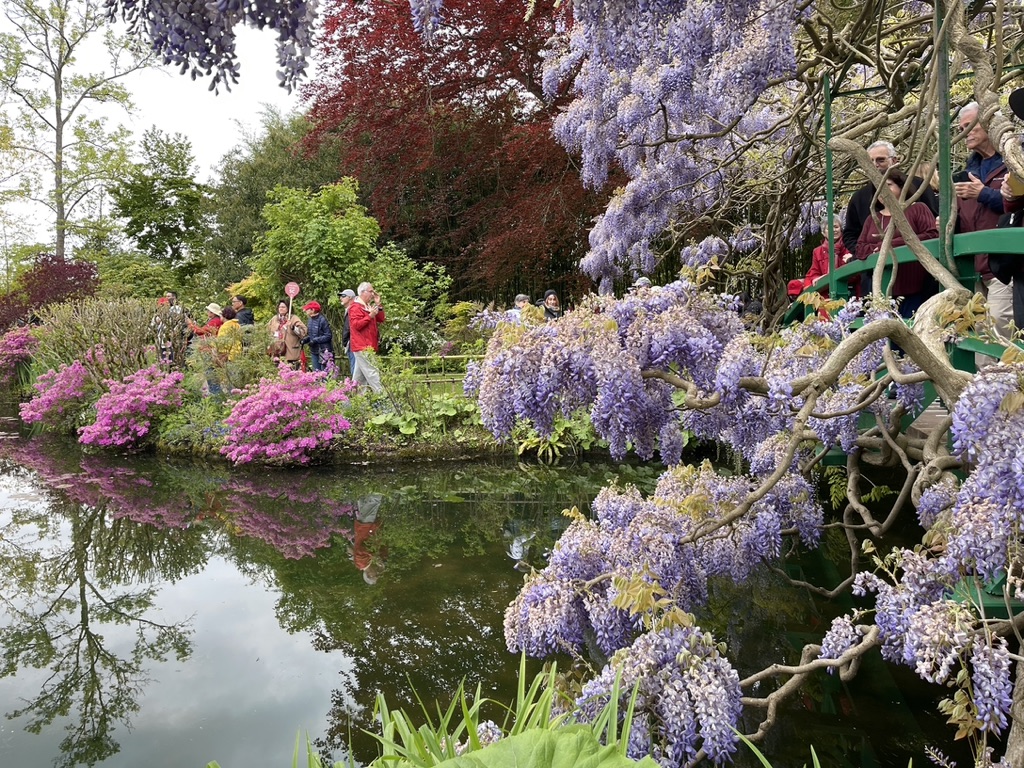
Monet’s fascination with Japanese art influenced this section of the garden. Bamboo, cherry trees, and koi fish create a tranquil atmosphere that feels both exotic and harmonious with the surrounding French countryside. It’s easy to see why Monet spent countless hours here, observing the play of light on the water and capturing its ever-changing beauty on canvas.
A Living Legacy
Monet’s gardens are meticulously maintained to honour the artist’s original vision. The Fondation Claude Monet, which oversees the property, ensures that the gardens bloom seasonally with the same plants and flowers that Monet cultivated during his lifetime. Every detail, from the arrangement of the flowers to the colors of the shutters on Monet’s house, reflects his legacy.
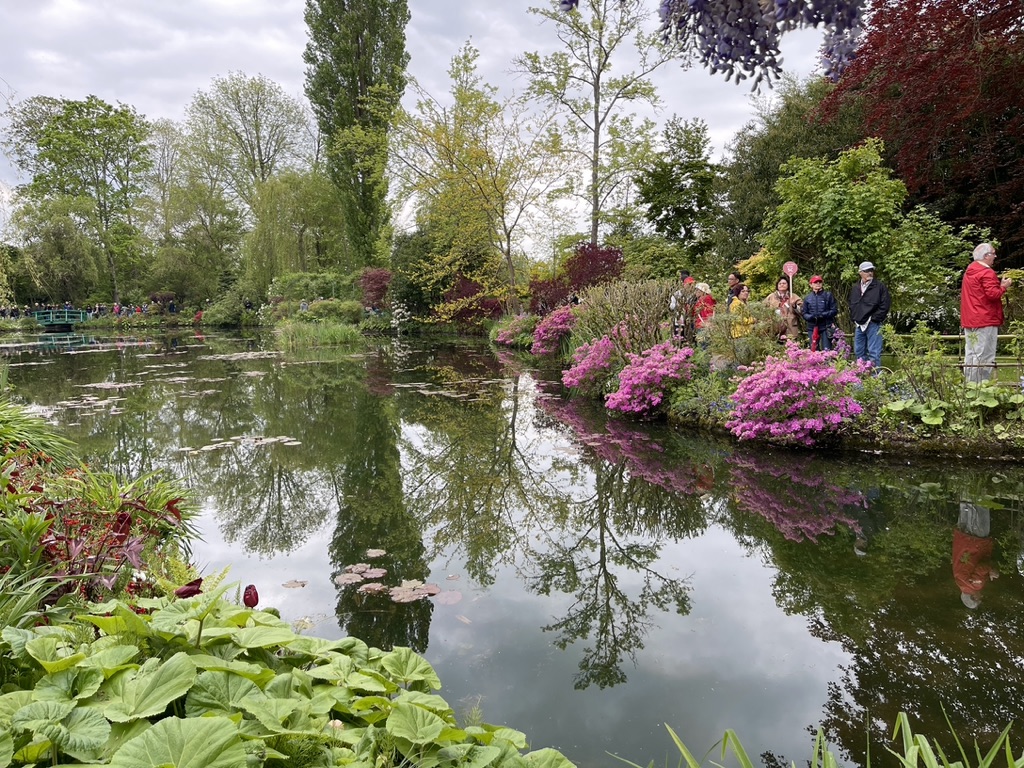
Walking through these gardens, it’s impossible not to feel a connection to the artist. His love for nature and his desire to capture its fleeting beauty are palpable in every corner. The experience is both peaceful and inspiring—a reminder of the profound relationship between art and the natural world.
Practical Tips for Visiting
If you’re planning a trip to Monet’s gardens, here are a few tips to make the most of your visit:
- Best Time to Visit: Spring and early summer are ideal, as the gardens burst into bloom with tulips, roses, and water lilies. Autumn offers a quieter experience with rich, warm colors.
- Getting There: Giverny is about an hour’s drive from Paris or a short train ride to the nearby town of Vernon, followed by a shuttle or bike ride to the gardens.
- Tickets and Tours: It’s best to book tickets in advance, especially during peak seasons. Guided tours can provide valuable insights into Monet’s life and work.
- Photography: While capturing the beauty of the gardens is tempting, remember to take moments to simply absorb the surroundings.

Monet’s gardens are more than a historical site—they’re a living representation of his art and his way of seeing the world. For art lovers, gardeners, or anyone seeking a peaceful retreat, Giverny offers a chance to immerse yourself in beauty and creativity. Walking the same paths that inspired Monet’s masterpieces, you gain a deeper appreciation for the interplay between nature and art. It’s an experience that lingers, much like the brushstrokes of a Monet painting.



 Mary in Vancity
Leave a comment