I saw the article and could not scroll past it
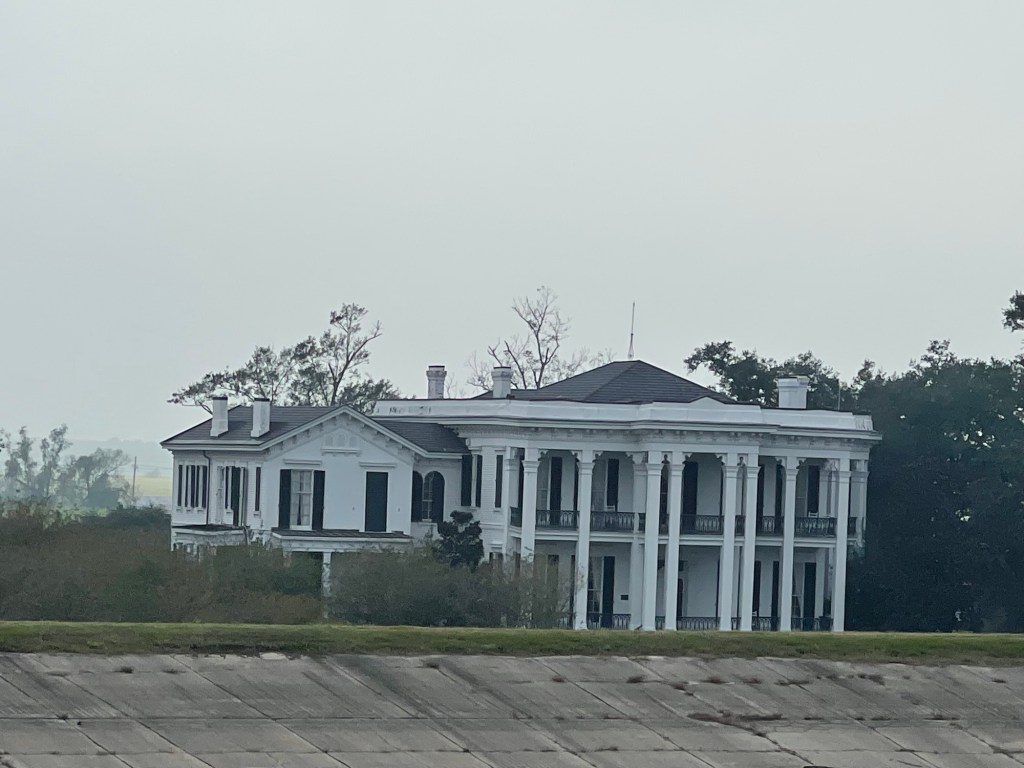
I saw the piece about Nottoway burning down and it stopped me. On May 15, 2025, a massive fire destroyed the main house at Nottoway in White Castle. It was later declared a total loss. Nottoway’s fire sparked more than headlines. It revived a conversation about the American South’s slavery past. It also prompted us to consider our role as visitors now. Responses ranged from celebration to mourning as the 1859 house went up in flames.
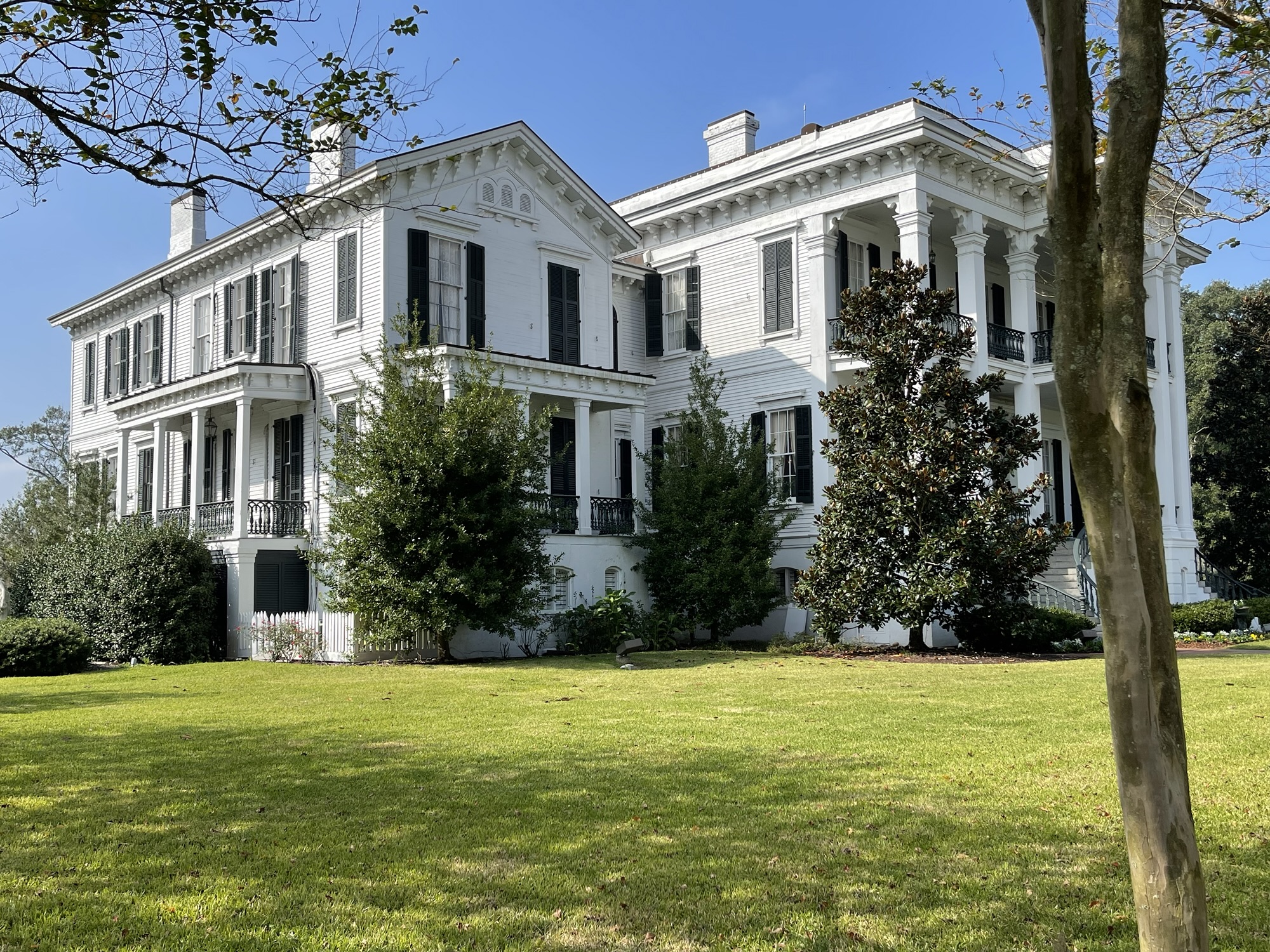
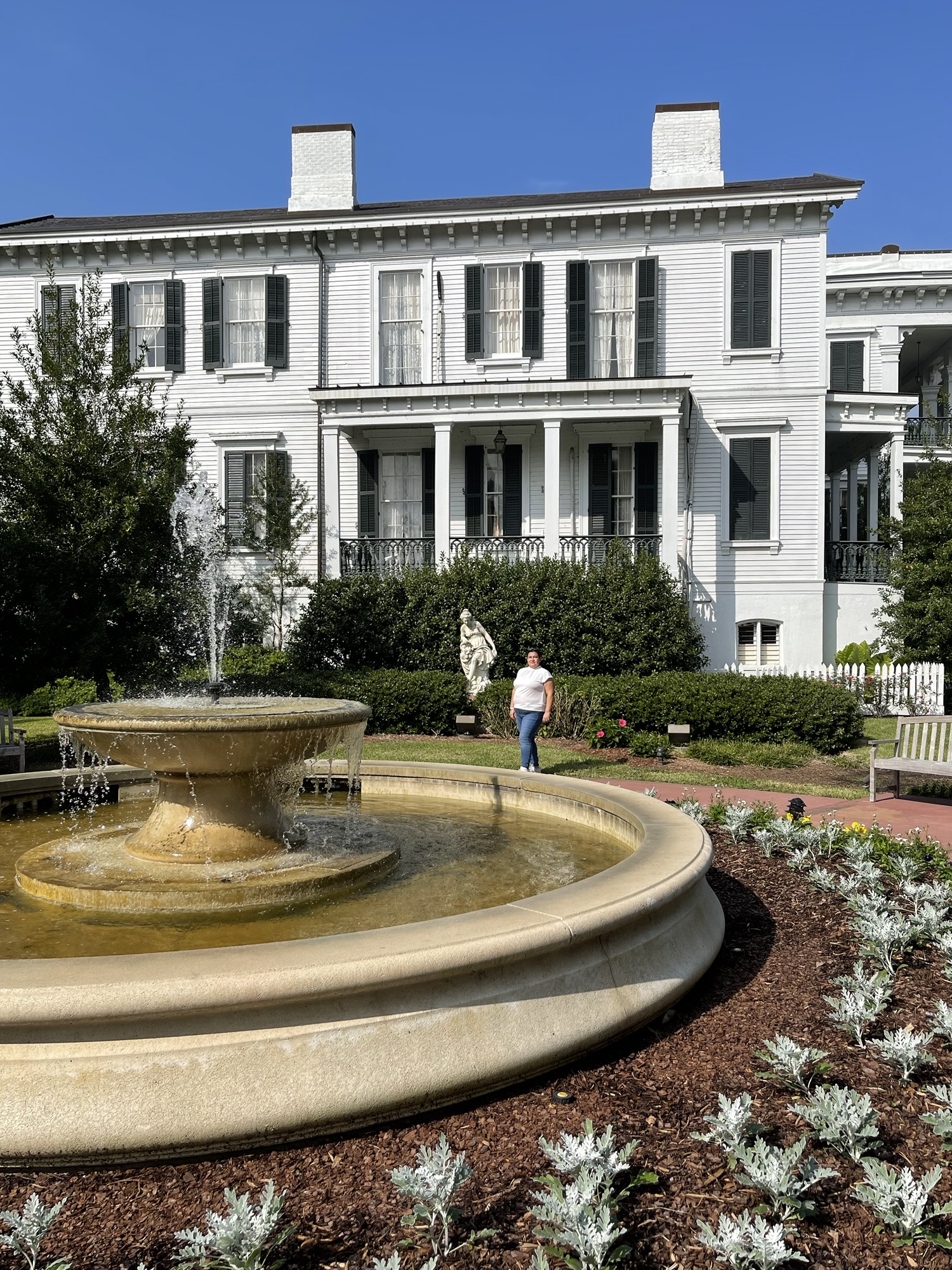
I visited Nottoway on a Mississippi River cruise. It was one of our stops. The house was bright and imposing, the kind of place that makes you lower your voice. As images of the fire spread, the internet split. Some mourned the loss of architecture that also showcased the skills of enslaved artisans. Others felt a kind of grim relief, arguing that venues like this often gloss over slavery’s violence. That divide renewed calls to tell the full story at plantation sites.
Holding two truths at once
Nottoway was completed in 1859 for sugar planter John Hampden Randolph and designed by New Orleans architect Henry Howard. It spanned about 53,000 square feet with 64 rooms, and for its time featured gas lighting, indoor plumbing, and an elaborate bell system.
The 1860 census recorded 155 people enslaved at Nottoway. They lived in 42 cabins. The grounds included a bathhouse, a hospital, and a meetinghouse that served as a nursery during the week and a church on Sundays. These facts connect the chandeliers to the sugar economy and to the lives that paid for it.
Site-specific records do not detail every aspect of daily life at Nottoway. However, the broader plantation system is well documented. It was defined by inhumane exploitation.
The plantation system
- Forced labor: Enslaved people were compelled to work under surveillance and the constant threat of punishment.
- Dehumanization: The law treated enslaved people as property, stripping them of rights and personhood.
- Profit: Plantations like Nottoway extracted wealth from cash crops such as sugar cane through uncompensated labour.
The experience of enslaved people
- Harsh working conditions: Work often ran from dawn to dusk in fields and sugar works under overseers.
- Separation and violence: Families were routinely torn apart by sale, and people faced physical punishment, sexual abuse, and other forms of brutality.
- Lack of agency: Enslaved people had no control over their labor, movement, or family life.
Legacy
The legacy of slavery continues to shape lives today. Descendants of enslaved people live with its social and economic consequences. Meanwhile, wealth amassed by slaveholding families and institutions still influences privilege and opportunity.
I am an Indigenous Salvadoran woman. My community’s history includes colonization and coerced labor. In early colonial Central America, Indigenous people were enslaved and later forced into systems like encomienda and repartimiento that extracted labor and tribute. That legacy shaped families like mine, which is why a place like Nottoway does not feel distant to me.
Responsible tourism at plantation and heritage sites

If you choose to visit places connected to slavery or colonization, you can travel with care.
- Choose tours that center descendant voices. Look for guides and exhibits that name people, share records, and present context.
- Ask better questions. Where were the cabins. What work was done here. How many people were sold. What happened after emancipation.
- Support full interpretation. Spend time and money on programming that focuses on the enslaved community, not only the architecture.
- Be mindful about events and photos. Consider what it means to celebrate in spaces built by enslaved people.
- Direct your dollars with intention. Buy books, donate, and tip when interpretation includes descendant historians and local researchers.
- Keep learning. Read narratives, visit museums that focus on slavery, and follow scholars who study these histories.
Quick facts
- Year completed 1859
- Owner John Hampden Randolph, sugar planter
- Architect Henry Howard
- Scale about 53,000 square feet and 64 rooms
- Enslaved community 155 people in 1860 living in 42 cabins
- Main house destroyed by fire on May 15, 2025. Cause undetermined as of late May. No injuries reported.
When I visited, I admired the staircase and the mirrored rooms. Today I think about the names I did not hear. If I could walk those grounds again, I would start with the records and the voices of descendants. The building is gone. The responsibility to tell the truth remains.




 Mary in Vancity
Leave a comment