
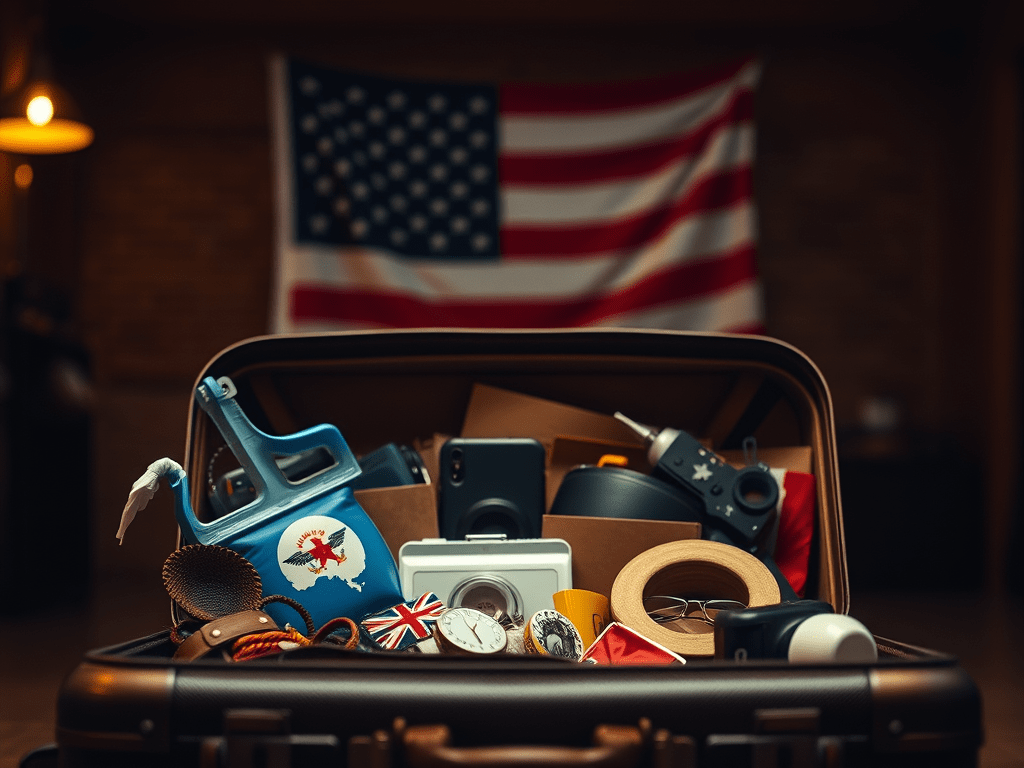
I never thought I’d have to ask this question, but here we are. As a travel blogger, I’ve always encouraged people to explore new places, meet new people, and embrace different cultures. Travel is about connection. But lately, travelling to the U.S. feels different—more complicated, uncertain, and, frankly, more unwelcoming for many international visitors.
Let’s get something straight immediately: This isn’t about the American people. There are millions of wonderful people in the U.S. who didn’t vote for the policies, making travel more difficult. Many are just as frustrated as the rest of us. But the reality is, under the current administration, travelling to the U.S. has become both a logistical hassle and, for many, an ethical dilemma.
Why Travel to the U.S. Feels Harder
Strict visa policies, erratic border enforcement, and an overall climate of hostility have made it harder to visit the U.S. Whether it’s increased wait times at customs, sudden travel bans, or reports of visitors being turned away for vague reasons, the unpredictability alone is enough to make people rethink their plans.
And it’s not just about travel logistics—it’s about safety and human rights. The current administration has actively rolled back protections for LGBTQ+ people, BIPOC communities, and other marginalized groups. From attacking trans rights to dismantling diversity, equity, and inclusion initiatives, the U.S. is becoming a place where not everyone feels safe or welcome.
For many, it’s no longer just about whether they can travel to the U.S.—it’s about whether they should.
The Ethical Dilemma of U.S. Travel
A growing number of travelers are canceling their trips to the U.S. in protest of these policies. Whether it’s individuals refusing to support a country that doesn’t align with their values or businesses pulling out of U.S.-based conferences and events, the sentiment is clear: The U.S. is losing visitors not just because of bureaucracy but because people don’t want to support a government actively stripping away human rights.
I completely understand this. As a proud Canadian, I see the push to “buy Canadian” and avoid spending money in the U.S. It’s a valid response, especially when so many of us are watching in horror as hard-fought rights are erased.
But I’m also Salvadoran, and I’ve seen this type of conflict before. I know how these situations play out, and the truth is, only the public gets hurt. The politicians? The billionaires? They don’t care. Their wealth and power remain intact no matter what. It’s the regular people—the hotel workers, the restaurant servers, the small business owners—who feel the impact of travel restrictions and economic boycotts the most. Many of them are part of the very communities being targeted by these policies. They’re LGBTQ+. They’re immigrants. They’re BIPOC. And they’re the ones who suffer when tourism dollars disappear.
A Better Way to Travel
So, what’s the answer? I don’t think it’s about avoiding the U.S. altogether, but rather, travelling more mindfully.
- Support local businesses that align with your values – Seek out LGBTQ+-owned businesses, BIPOC-led initiatives, and ethical tourism companies. Your money can be a tool for resistance.
- Choose destinations that are fighting back – States like California, New York, and Washington are actively pushing against federal policies. If you do travel to the U.S., consider visiting places that are standing up for inclusion and human rights.
- Speak up – If you experience discrimination at the border, in businesses, or anywhere else, share your story. Visibility matters.
- Be aware, but don’t be afraid – Travel should be about connection, not fear. The more we engage with people, the more we break down barriers.
For now, I’ll still visit the U.S.—but I’ll do so with intention. I’ll spend my money in places that support marginalized communities. I’ll amplify voices that need to be heard. And I’ll remind myself that behind the headlines, there are people who are just as outraged as we are—people who need us to show up, not turn away.
What do you think? Have recent policies changed your view on travelling to the U.S.? Let’s talk about it in the comments.





 Mary in Vancity
Leave a reply to Josh Rimer Cancel reply