
We spend plenty of time talking about what’s on our plates. The farms behind a good meal, the local seafood on a restaurant menu, the small food brands we discover and keep buying. What gets less attention is everything that happens between making that food and getting it into our hands.
Food needs somewhere to be packed, stored and moved. A growing business needs access to buyers, along with enough space to fill the orders that follow. Those practical details can determine how far a local product travels.
That’s the problem BC Food & Beverage hopes to address with the Pacific Gateway Food Terminal, a proposed food distribution, processing and innovation hub in Metro Vancouver. In an announcement dated October 7, 2026, the industry association outlined its vision for a facility that could help BC food businesses grow while strengthening Canada’s food supply chain.
What Is the Pacific Gateway Food Terminal?
The proposal calls for approximately 750,000 square feet of space on roughly 50 acres, with a location near the Port of Vancouver, Vancouver International Airport, the Fraser Valley and major transportation routes.
The idea is to bring several services together. Farmers, food manufacturers and seafood producers could connect with buyers, access storage and use shared processing facilities within a more coordinated system.
According to BC Food & Beverage, the terminal would include five main functions:
- A wholesale market and distribution space connecting producers and processors with retailers, restaurants and other foodservice buyers.
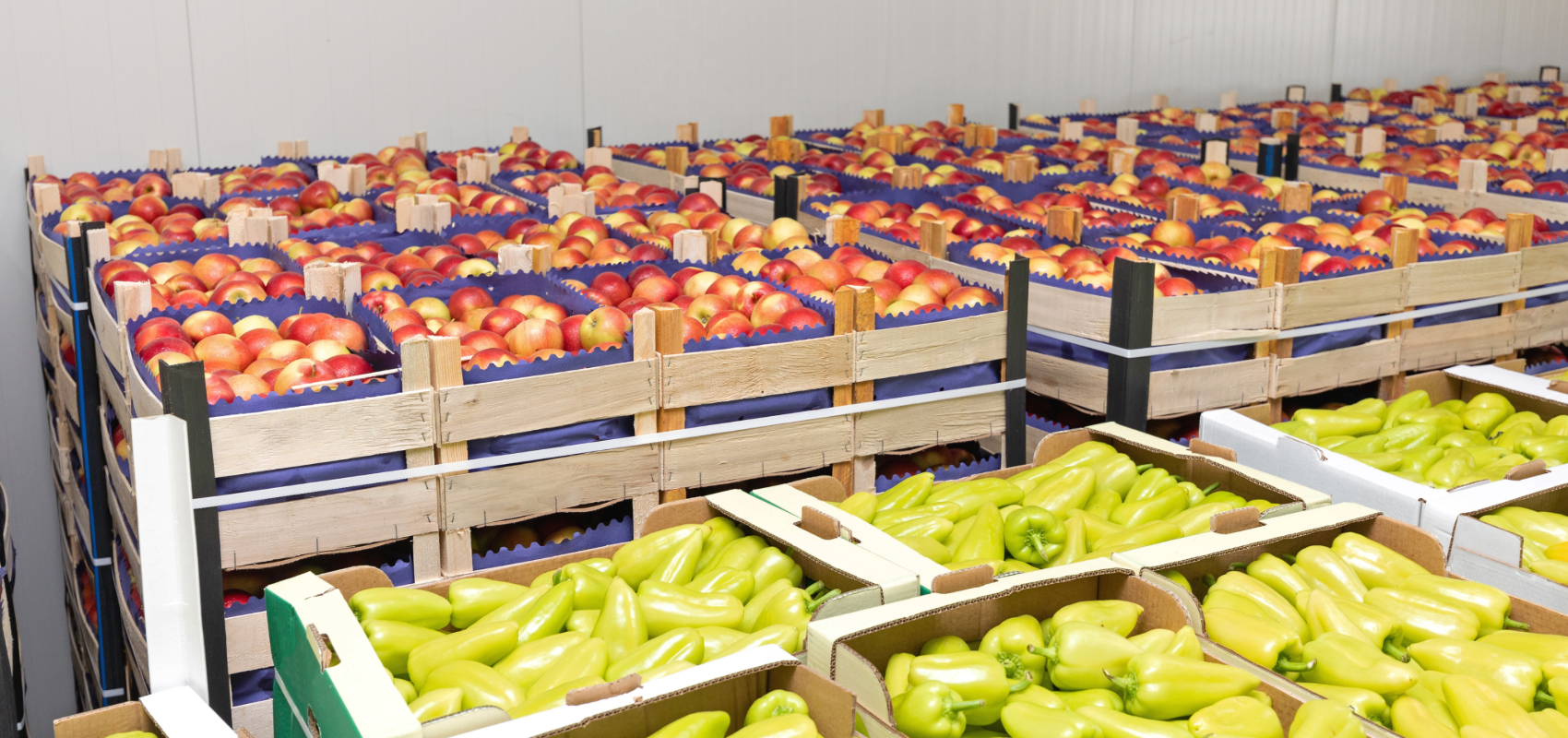
- Cold, frozen and ambient warehousing for products with different storage needs.
- Aggregation and distribution services to bring products together and move them to market.
- Shared processing and packing facilities that businesses could access as they grow.
- An innovation and commercialization centre supporting small and medium-sized food businesses.
For a smaller producer, access to those services could make a meaningful difference. Having a product people want is one part of building a business. Being able to store it, pack it and deliver it consistently is another.
Why BC Food Businesses Need Room to Grow
BC Food & Beverage identifies fragmented distribution, limited processing and cold storage, transportation inefficiencies and the cost of expansion as longstanding challenges for the sector. Reaching buyers is another hurdle.
These are easy details to overlook when we pick something up at a grocery store or order dinner. Yet they affect which products make it onto shelves and menus in the first place.
Shared infrastructure could give businesses access to facilities that would be costly to build on their own. It could also help producers reach customers beyond their usual markets. That is the promise behind the proposal, although the feasibility work still needs to establish which services businesses would use and how much demand exists.
James Donaldson, CEO of BC Food & Beverage, describes the project as an investment in the infrastructure the food system will need for the next generation. His message is straightforward: BC already has farmers, manufacturers, seafood producers and entrepreneurs. They need the practical support to operate at a larger scale.
Connecting Local Food with More Buyers
For those of us who enjoy discovering BC food, the interesting part is the potential to make local products easier to find. A wholesale market could create another place for producers to connect with independent retailers, restaurant buyers and other customers.
The proposed location also reflects ambitions beyond the province. Access to the port, airport and major transportation corridors could support businesses looking to reach domestic and international markets.
Still, the terminal is intended to fit into the food infrastructure BC already has. BC Food & Beverage says it would complement existing facilities, including the BC Food Hub Network, and build stronger connections between regional production, processing and distribution.
How those connections work will matter. A large facility has to serve the businesses around it, including producers whose operations are spread across the province.
Could It Help Strengthen Food Security?
BC Food & Beverage places food security at the centre of the proposal. The aim is to create a more connected system for storing, processing and distributing food, while helping Canadian businesses grow.
The potential benefit is practical: more coordinated services could help food move from producers to buyers. However, it is too early to say what the terminal would mean for grocery prices or how much it would improve access to food. Those outcomes would depend on the eventual business model, costs and use of the facility.
For now, the project offers a way to examine where the existing supply chain needs support and whether a shared terminal could fill those gaps.
What Happens Next?
The Pacific Gateway Food Terminal is still a proposal. BC Food & Beverage is undertaking industry engagement and feasibility work to shape its business case.
Farmers, processors, seafood companies, exporters, independent retailers, distributors and foodservice operators are being asked about their needs. The questions cover cold storage, transportation, processing capacity, distribution costs, access to buyers and export logistics.
Their answers will help determine demand and which services should take priority. The announcement does not provide a confirmed site, construction schedule, opening date or project budget.
There is plenty to work through before this becomes a place where food businesses can set up shop. But the proposal puts a useful question on the table: what would it take to help more BC food reach more people?
Supporting local food starts with choosing it. Giving the people who produce it room to grow could help that support go further.
Source: BC Food & Beverage announcement supplied for this article, dated October 7, 2026.


Leave a Reply